Brand Selection: Red Bull
By Timothy Lee
Photo credit: Personal photo of Timothy Lee.
Introduction
For this semester's Public Relations campaign class, I have selected Red Bull as the brand I will develop a comprehensive campaign around. Red Bull is one of the most recognizable energy drink brands in the world and presents a fascinating case study in brand building, content marketing, and experiential PR.
Brand Overview
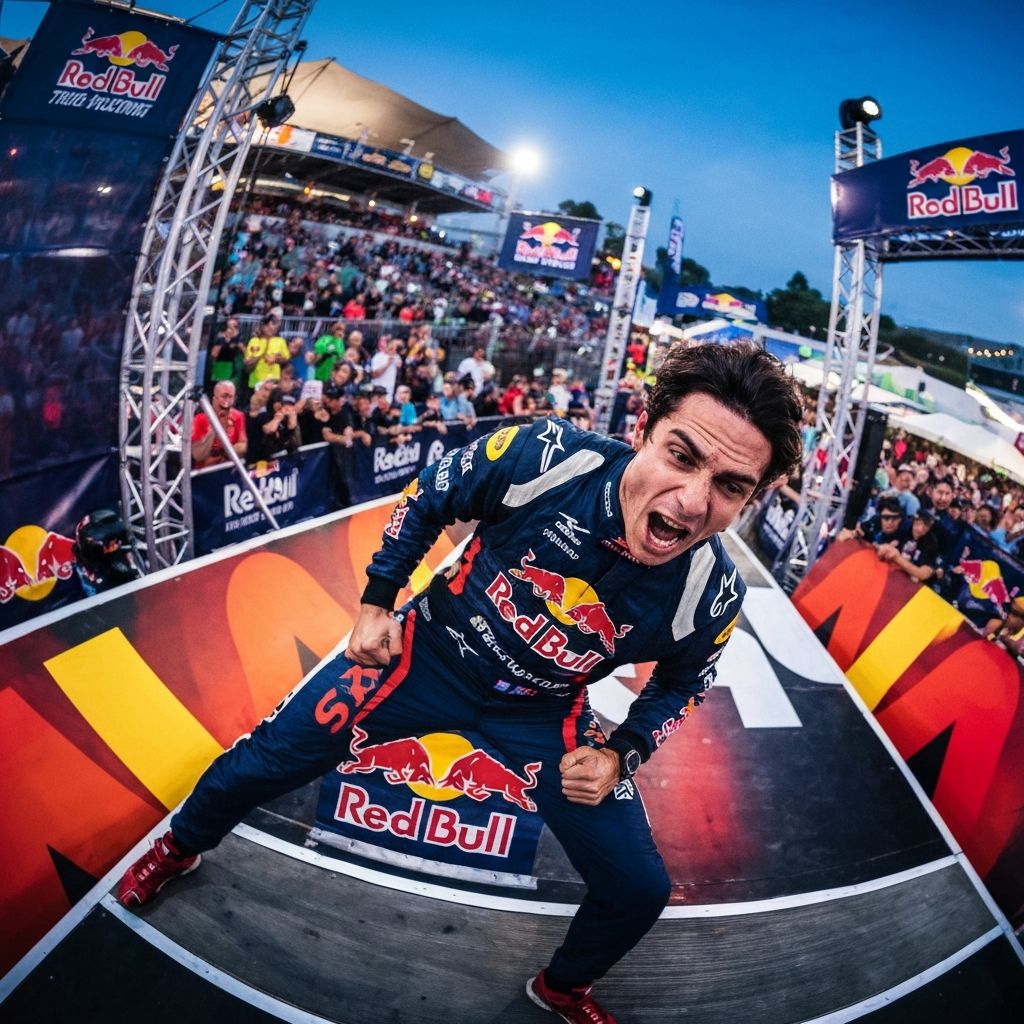
Photo credit: Red Bull Media House / redbull.com
Red Bull GmbH, founded in 1984 by Dietrich Mateschitz and Chaleo Yoovidhya, introduced its energy drink to the Austrian market in 1987. Since then, it has grown into a global empire with operations in over 175 countries and annual sales exceeding 11 billion cans. The brand's tagline — "Red Bull Gives You Wings" — has become one of the most widely recognized slogans in advertising history.
Why Red Bull?
There are several reasons I selected Red Bull for this campaign:
- Distinct brand identity: Red Bull has built a brand personality that transcends its product category, aligning itself with extreme sports, music, and cultural events.
- Content marketing leadership: The brand is widely cited as a pioneer in branded content, operating its own media house (Red Bull Media House) that produces documentaries, live events, and digital content.
- Target audience clarity: Red Bull's primary audience — young adults aged 18–34 who are active and achievement-oriented — provides a well-defined foundation for campaign messaging.
- Campaign opportunity: Despite its strengths, there are meaningful opportunities to explore new audience segments, address shifting wellness trends, and deepen community engagement.
Initial Observations
Red Bull's current PR positioning leans heavily on spectacle and performance. Major activations like Felix Baumgartner's space jump (Stratos project) and the Red Bull Air Race demonstrate the brand's appetite for headline-grabbing stunts. However, as consumers increasingly value authenticity, mental wellness, and sustainability, there is room to develop a campaign that balances the brand's high-octane identity with a more human dimension.
Next Steps
In the coming weeks, I will conduct a deeper situational analysis, including a SWOT assessment, competitive landscape review, and audience persona development. These steps will lay the groundwork for a strategic campaign brief and message platform.
This post is the first in a series documenting each stage of the campaign planning process.